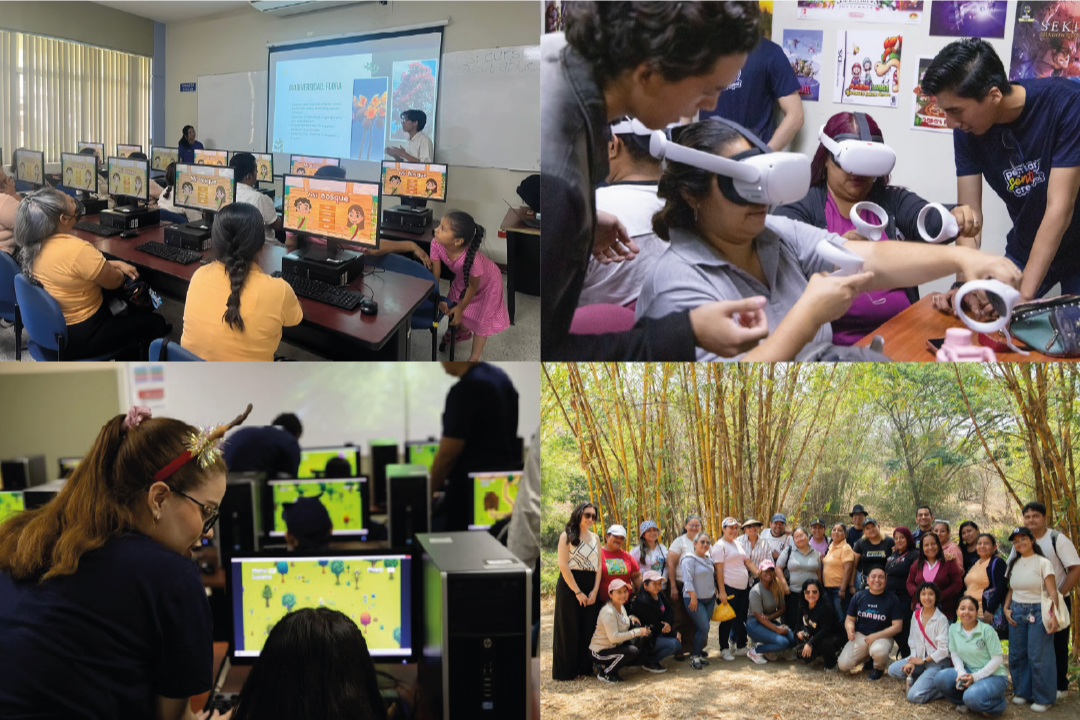

The Escuela Superior Politécnica del Litoral (ESPOL) carried out the third phase of the “Immersive Technologies for Forestry Education” project, an initiative that combines technological innovation, teacher training, and environmental awareness to address one of the country’s most critical challenges: wildfires. This project focused on the design and implementation of immersive educational experiences, using tools such as virtual reality, generative artificial intelligence, and interactive video games—including Mi Bosque 3D and Aventura Galápagos—with the goal of strengthening learning about environmental prevention among students and teachers.
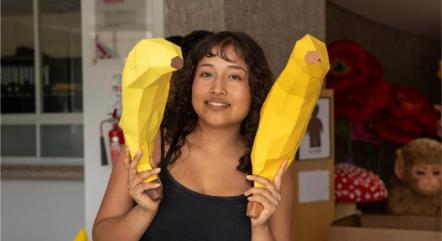
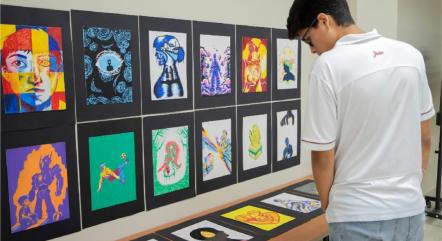
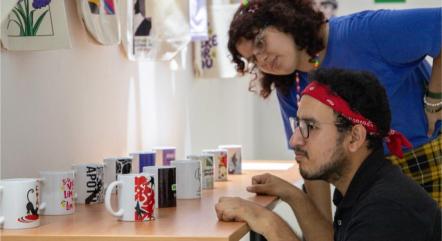
The initiative was carried out using an active, problem-based, and service-learning approach, involving 32 students from programs such as Computer Engineering, Graphic Design, Product Design, and Biology, who worked collaboratively to develop educational solutions. In addition, training workshops on generative artificial intelligence were held to empower teachers to create innovative educational resources. The project was carried out in 2025 in coordination with the Hermano Francisco Gárate Educational Unit, a beneficiary institution with which ESPOL has maintained a working relationship since 2022 on environmental and technological education initiatives.
The implementation included five specialized workshops, hands-on activities with educational video games, visits to the La Prosperina Protected Forest, and experiential learning opportunities that allowed students to understand, through hands-on experience, the risks and prevention of wildfires. As a result, 100% of the students were able to solve fire-related challenges within the virtual environment, demonstrating effective mastery of the material. This initiative addresses an urgent problem: in Ecuador, forest fires have led to the loss of thousands of hectares of ecosystems, with most fires caused by human activities and a lack of preventive education. In light of this situation, the project is committed to a strategic solution: experiential education that combines technology and environmental awareness.
In terms of impact, the results reflect a tangible transformation. Eighty-three percent of the trained teachers incorporated artificial intelligence tools into their teaching practices, while 100% reported familiarity with these technologies by the end of the project.
In addition, educational guides, video game prototypes, and new digital resources were developed to enhance teaching in real-world contexts. Beyond the metrics, the project sends a clear message: when technology is put to work for education and sustainability, learning ceases to be theoretical and becomes an experience that transforms behavior.
© Photography: Courtesy / Text: José Luis Castro