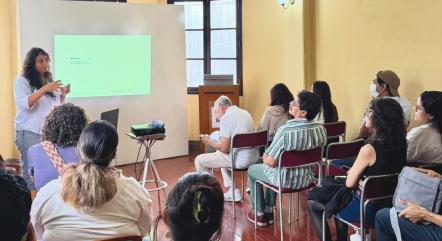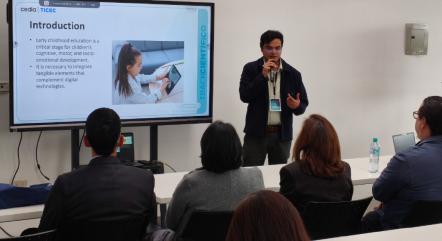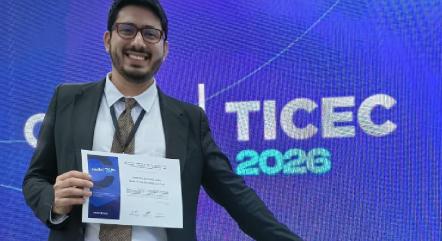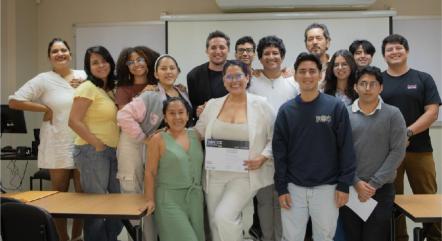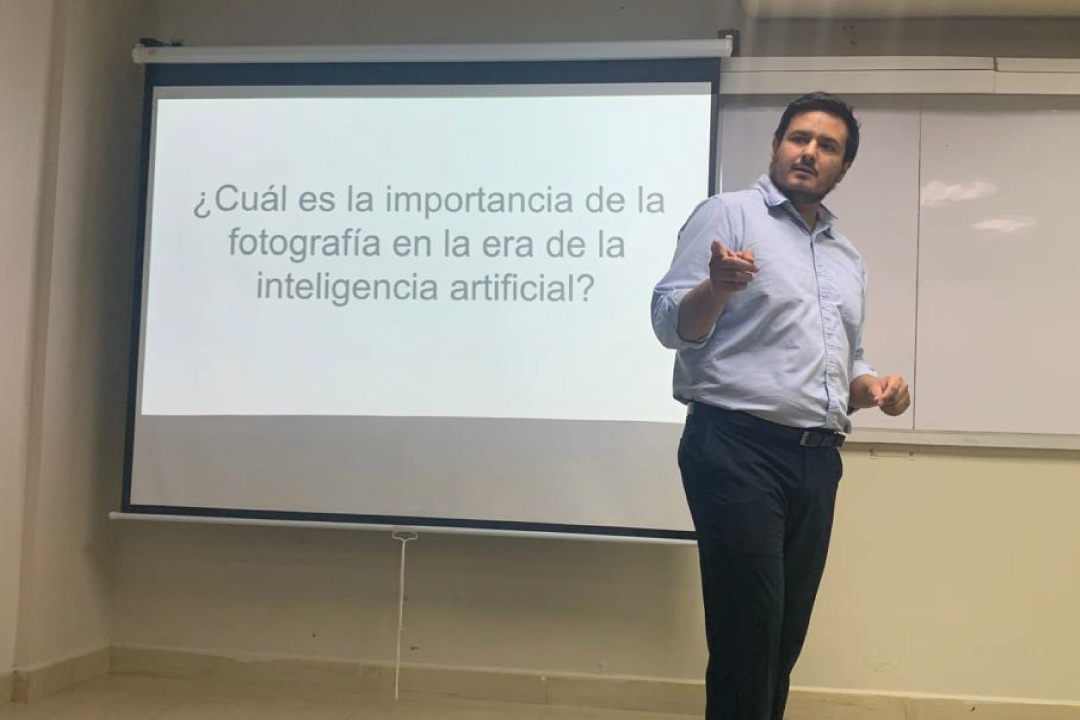


The Faculty of Art, Design, and Audiovisual Communication (FADCOM) at ESPOL created a space for reflection on the challenges and transformations facing photography in the face of advances in Generative Artificial Intelligence (GAI). The event took place over two days, Monday, August 17, and Thursday, August 20, 2026, as part of the Digital Photography course taught by Professor Daniel Castelo, and featured the participation of Jorge Delgado, a professor, professional photographer, and member of the Association of Ecuadorian Photographers.
During the sessions, participants discussed the impact that GAI technologies are having on commercial photography and image production, as well as the changes these tools present for those training in the audiovisual field. The sessions provided an opportunity to analyze new creative possibilities, as well as the challenges that students and new professionals will face as they enter the job market.
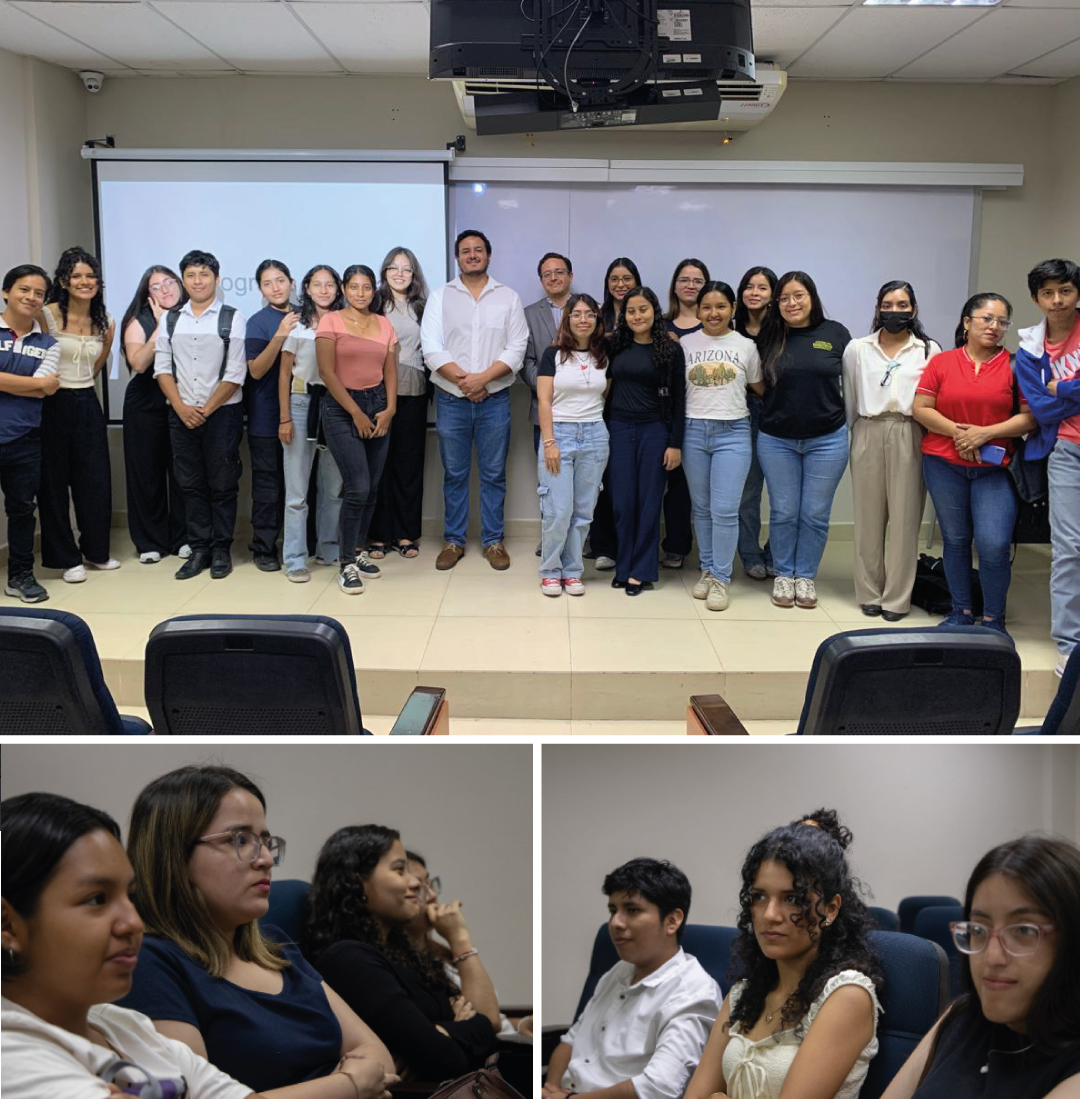
One of the main themes of the conversation was reflecting on what it means to take photographs in a context where images can be generated, modified, or reconstructed using digital tools. In light of this scenario, the value of photography as a document and record of human experiences was highlighted. Drawing on his professional experience, Jorge Delgado shared conceptual and practical tools related to current processes of image creation and consumption, offering a critical perspective on the transformations the sector is undergoing and the skills required of new talent.
The first session took place on Monday, August 17, while the second was held on Thursday, August 20, from 11:00 a.m. to 12:00 p.m., in the FADCOM Auditorium, allowing for broader participation by students and members of the university community. These events help foster a dialogue between academic training and the technological transformations taking place in the creative industries, promoting a critical perspective on the use of new tools and reaffirming the importance of understanding photography not only as a technique but also as a way of observing, interpreting, and documenting reality.
Photography: Ricardo Torres / Text: José Luis Castro