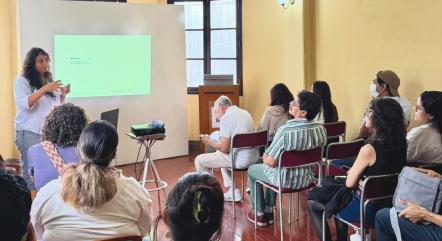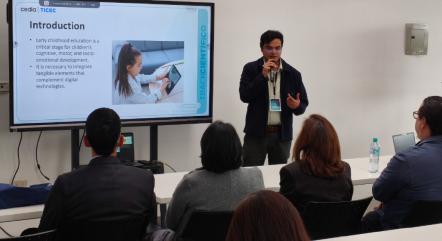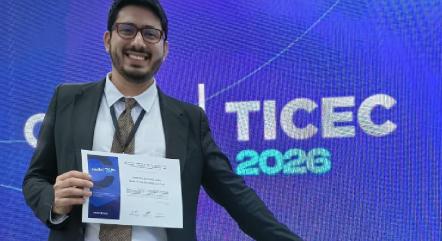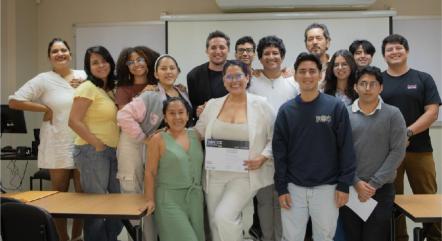


The Faculty of Art, Design, and Audiovisual Communication (FADCOM) at ESPOL recognized the winning students of the PAO 2026-1 Poster Competition, a contest held each semester as part of the course “Applied Research in Design.”
The initiative brings together students from different sections of the course, who present their research through academic posters. Through this exercise, participants apply research methodologies to address problems, formulate questions, analyze information, and communicate their results clearly and visually.
Three sections participated in this edition, and their projects were developed under the guidance of professors Nayeth Solórzano, Lissenia Sornoza, and Luis Rodríguez. As a result of the evaluation process, the following proposals were recognized:
🏆 Parallel 1
Typographic Perception and Label Differentiation Between Ecuadorian Wines and Casillero del Diablo Among the Middle Class in Guayaquil
Students: Ashley Bautista, Emely Cárdenas, Aleska Pinos, Sara Revelo, and Ivanna Toaquiza
Instructor: Luis Rodríguez
The project examines the influence of typographic and visual elements on product labels on the perception and differentiation of products among a specific consumer segment.
🏆 Parallel 2
Mapping Inclusive Furniture
Students: Belén Villagómez and Alan Pinza
Instructor: Nayeth Solórzano
The project approaches furniture from an inclusive perspective, exploring how design can accommodate different needs and conditions of use.
🏆 Parallel 3
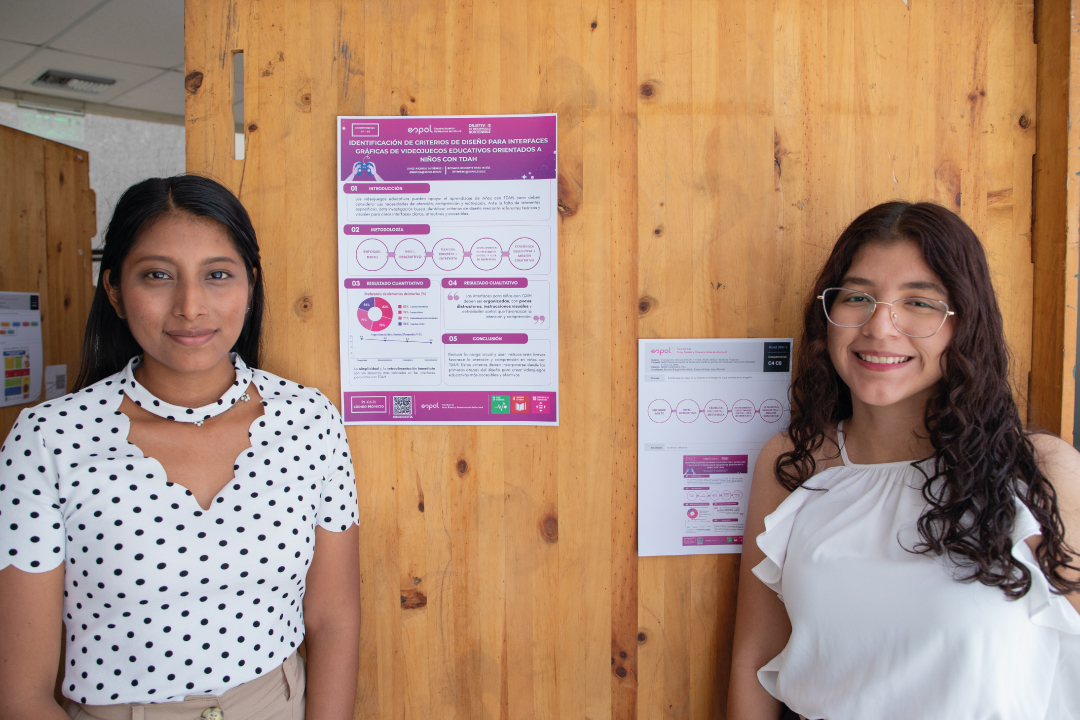
Can illustrations transform the way children with ADHD learn?
Students: Alexander Jiménez and Damián García
Instructor: Lissenia Sornoza
This research analyzes the potential of illustrations as a resource for generating new approaches to children's learning processes.
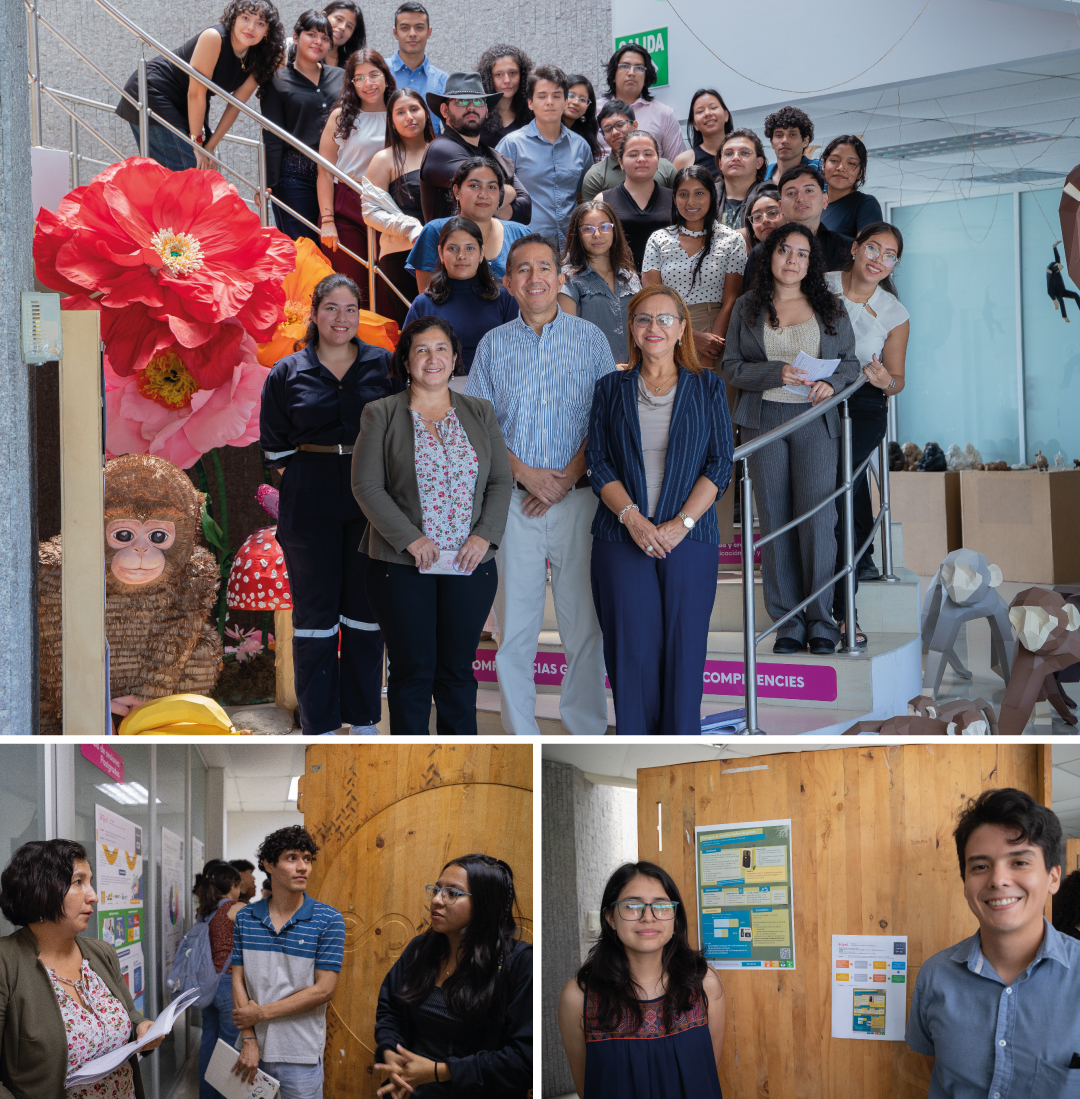
The PAO 2026-1 Poster Competition aims to strengthen research as a fundamental part of design education, encouraging students to develop projects grounded in research methodologies and to be able to transform questions about their environment into knowledge applicable to design.
Beyond the competition itself, this experience showcases the work carried out during the semester and recognizes students’ ability to research, analyze, and communicate results using design-specific tools. Through initiatives like this, FADCOM reinforces an educational approach in which research and design are complementary processes capable of generating new perspectives on social, educational, cultural, and consumer issues.
© Photography: Raul Ruiz / Text: José Luis Castro