

The Escuela Superior Politécnica del Litoral (ESPOL), through the School of Art, Design, and Audiovisual Communication (FADCOM), and the Network of Researchers in Audiovisual Communication and Information Technologies (REDPRO), organized the 5th International Congress of Researchers in Audiovisual Communication and Information Technologies (CIICATI 2026), an academic conference that brought together researchers, faculty, students, and professionals to share knowledge and discuss the transformations taking place in these fields. The event took place on Thursday, November 5, 2026, in ESPOL’s STEM building, in a hybrid format. This fifth edition featured representatives from 12 universities and research centers and included 36 academic presentations.
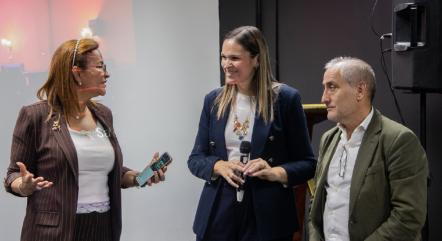
The day began with welcoming remarks by Dr. Nayeth Solórzano, dean of FADCOM, who emphasized the importance of creating spaces for interaction that strengthen research, innovation, and collaboration among academic institutions. She also highlighted ESPOL’s and FADCOM’s commitment to the generation and dissemination of knowledge in audiovisual communication and information technologies. Subsequently, Dr. Paola Ulloa-López, president of REDPRO, addressed the attendees and officially opened CIICATI 2026, kicking off the conference’s academic activities.
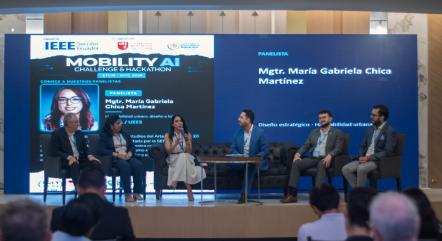
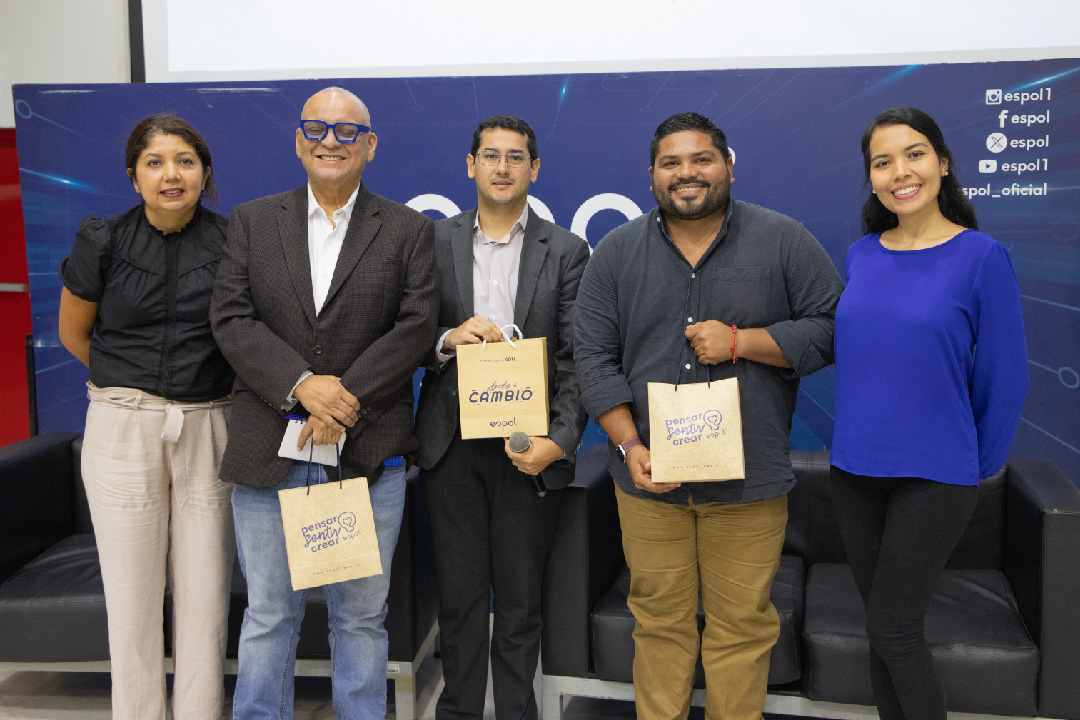
One of the first key events was the expert panel “Audiovisual Communication and Emerging Technologies: Challenges and Perspectives,” moderated by Paola Ulloa, Ph.D. Participants included Ronny Paredes, an academic and coordinator of the Communication program at ECOTEC University; Cristian Cortez, a university professor, playwright, screenwriter, and storytelling specialist; and Adrián Contreras, an influencer and content creator. During the discussion, the panelists addressed the transformations in audiovisual communication, the impact of emerging technologies, the new dynamics of content production, and the challenges facing the profession in this context.
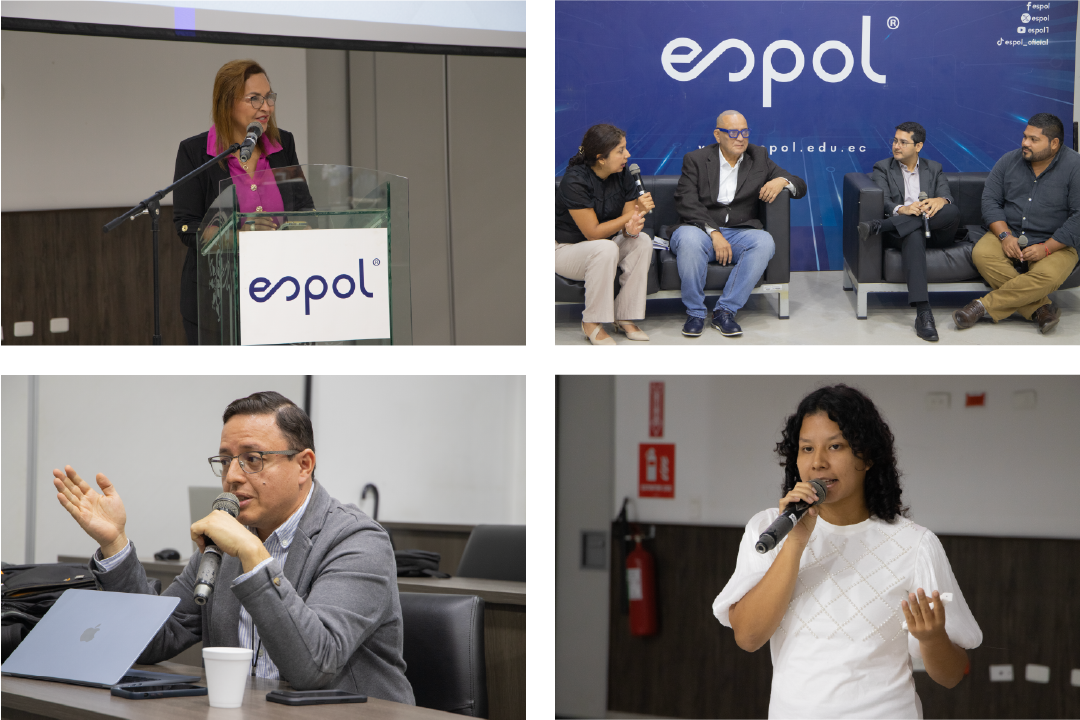
During the morning session, three research presentation sessions took place simultaneously: Emerging Technologies – Group 1, Emerging Technologies – Group 2, and Audiovisual Reality. These sessions fostered the exchange of experiences and perspectives on the advances, applications, and transformations in communication and technology. Participating institutions and organizations included the Santa Elena Peninsula State University (UPSE), ECOTEC Technological University, the Catholic University of Santiago de Guayaquil (UCSG), the ALMARGEN Research Group, the Luis Vargas Torres Technical University of Esmeraldas (UTLVTE), the University of the Americas (UDLA), Vicente Rocafuerte Secular University, and the Carchi State Polytechnic University, among others.
After the midday break, activities continued with the afternoon sessions for research presentations: Miscellaneous, Communication – Group 1, and Communication – Group 2. These sessions provided a forum for the presentation of academic work and dialogue among researchers from different institutions. The program concluded with the lecture “Responsible Use of Artificial Intelligence,” presented by Juan Pablo Sotomayor, Ph.D., an academic and assistant professor at St. Thomas University in Miami. During this session, the importance of reflecting on the possibilities, implications, and responsibilities associated with the use of artificial intelligence in the processes of research, production, and knowledge management was discussed.
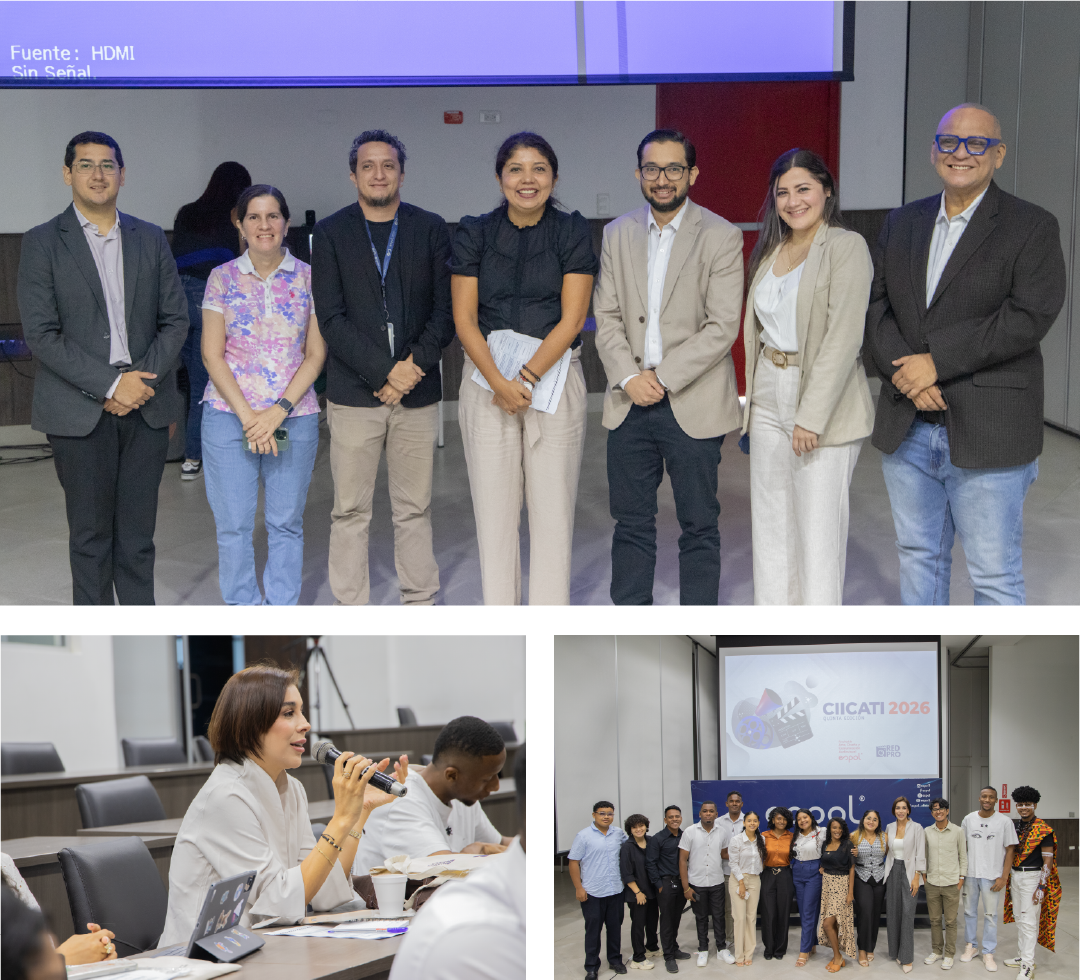
With this fifth edition, CIICATI reaffirms its role as a meeting place for the academic and scientific community, promoting inter-institutional collaboration, the dissemination of research, and the analysis of current challenges in audiovisual communication and information technology.
© Photography: Santiago López, Anelis Cruz, and Dharla Esteves / Text: José Luis Castro